Building A Meaningful Art Collection
If you want unique, original artwork to fill your space, consider starting a meaningful art collection that tells the story of who you are.
Art collecting isn’t just for those with extensive art knowledge, nor is it defined by fame or fortune. Collecting art can be a serious business but it is also an exciting, entertaining, and rewarding hobby.
There are many reasons for collecting art, but the most important is the pleasure it brings! A collector’s journey almost never ends because the discovery and the chase can be as invigorating as the enjoyment of the artwork itself. For some, it’s in finding an artist who strikes a chord within them. There’s excitement in following new artists, waiting for that perfect painting; and when the time is right, purchasing and bringing it home can be quite intoxicating!
All you need to start a collection is a love and appreciation for art, a willingness to learn, and a budget. Still not sure where to begin? Ponder the following 3 questions.
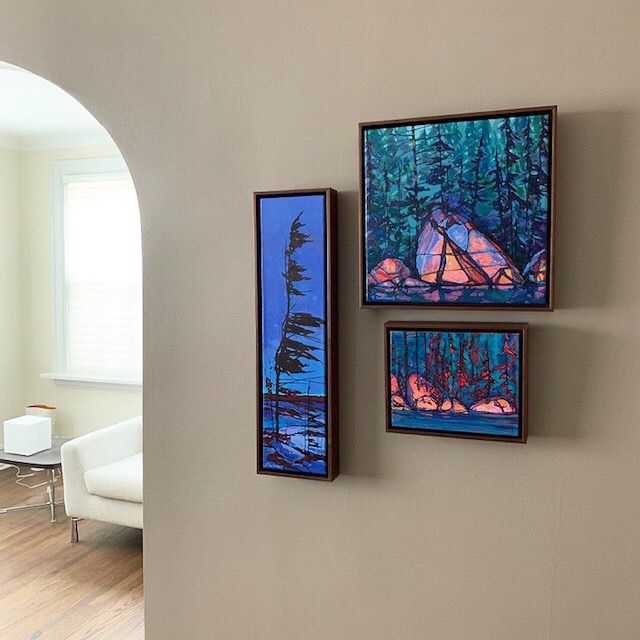
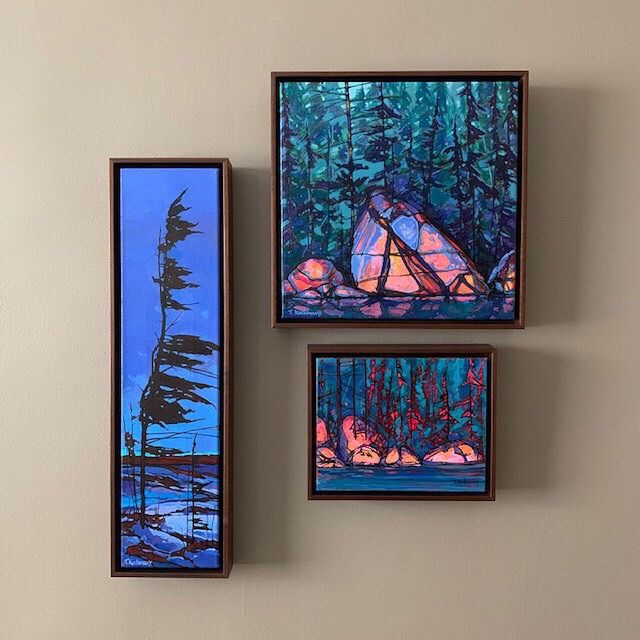
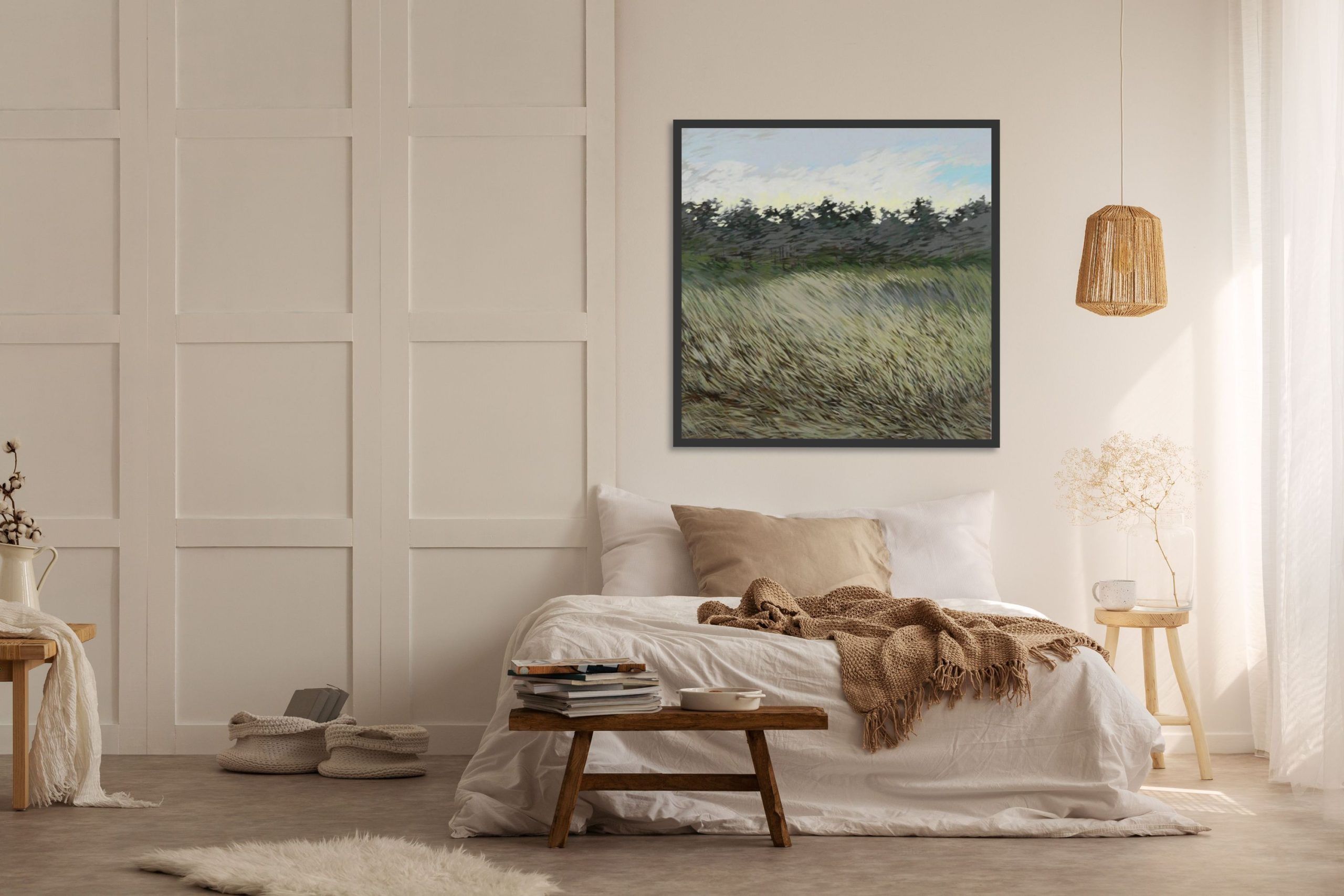
1. What do you want your art collection to accomplish?
Whether you are collecting artwork for investment or you simply want to fill your home with beautiful pieces, it is important to give your collection a focus. By identifying common threads among art pieces you’re most attracted to, you can build a cohesive collection that tells a story through its subject matter, styles, colours, or concepts.
Are you interested in contemporary or historical artwork? Do you prefer supporting emerging artists or investing in established artists? Perhaps your tastes are regional and your collection includes pieces by local artists from the area you live in; or maybe you collect pieces from your world travels. Maybe it’s the artist’s story that draws you in and makes you ponder. Acquiring art to commemorate milestones, special holidays, and anniversaries is a great way of making memories and adding a personal story to your collection.
Art is a form of self expression for you the collector, as well as the artist, and it can bring excitement, joy and fulfillment to your life.
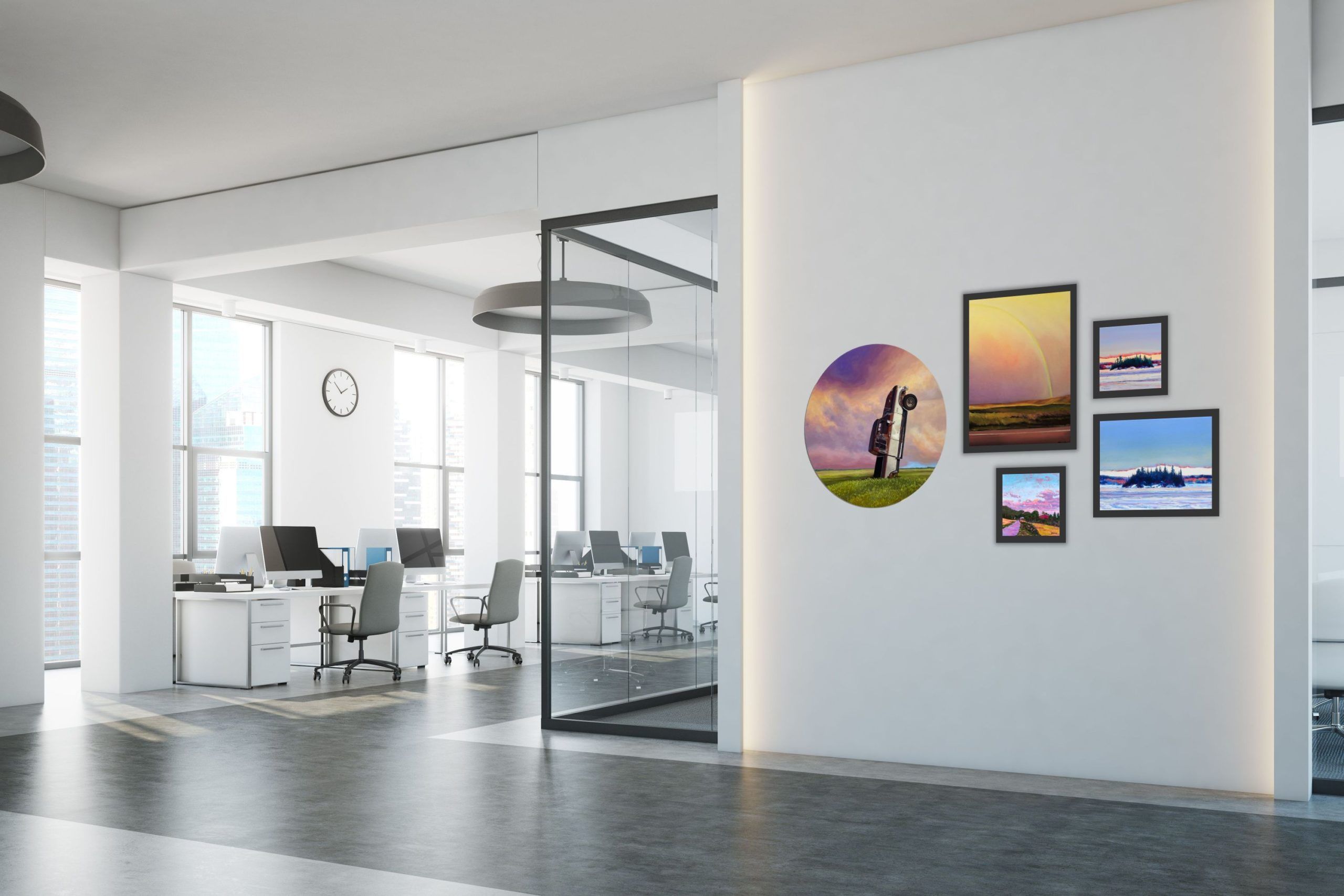
2. What kinds of art do you like?
Not everyone is sure of their art tastes and that’s perfectly normal, especially considering those tastes will evolve over time. The best way to get over this uncertainty is by visiting galleries, museums and art fairs often. Exposing yourself to a variety of mediums and styles can help you gain a better understanding of the artwork. This will also help you identify the art you love and in turn find pieces that resonate with you.
Sometimes it’s love at first sight! There are times when you find a piece that just knocks your socks off. It reaches out and grabs you, capturing your full attention and sometimes you’re not even sure why. That’s okay too! Art can be unpredictable, compelling and mysterious. A piece of advise here: Trust your gut and don’t walk away.
While factors like colour, size, shape, and budget can inform your final decision, what’s more important is how it feels or the statement it makes. Your emotional reaction to a piece, or lack thereof, can help determine if it’s right for you. If you are too fixated on the wall in question or the particulars of size and shape, you might miss out on a piece that is meant for you.
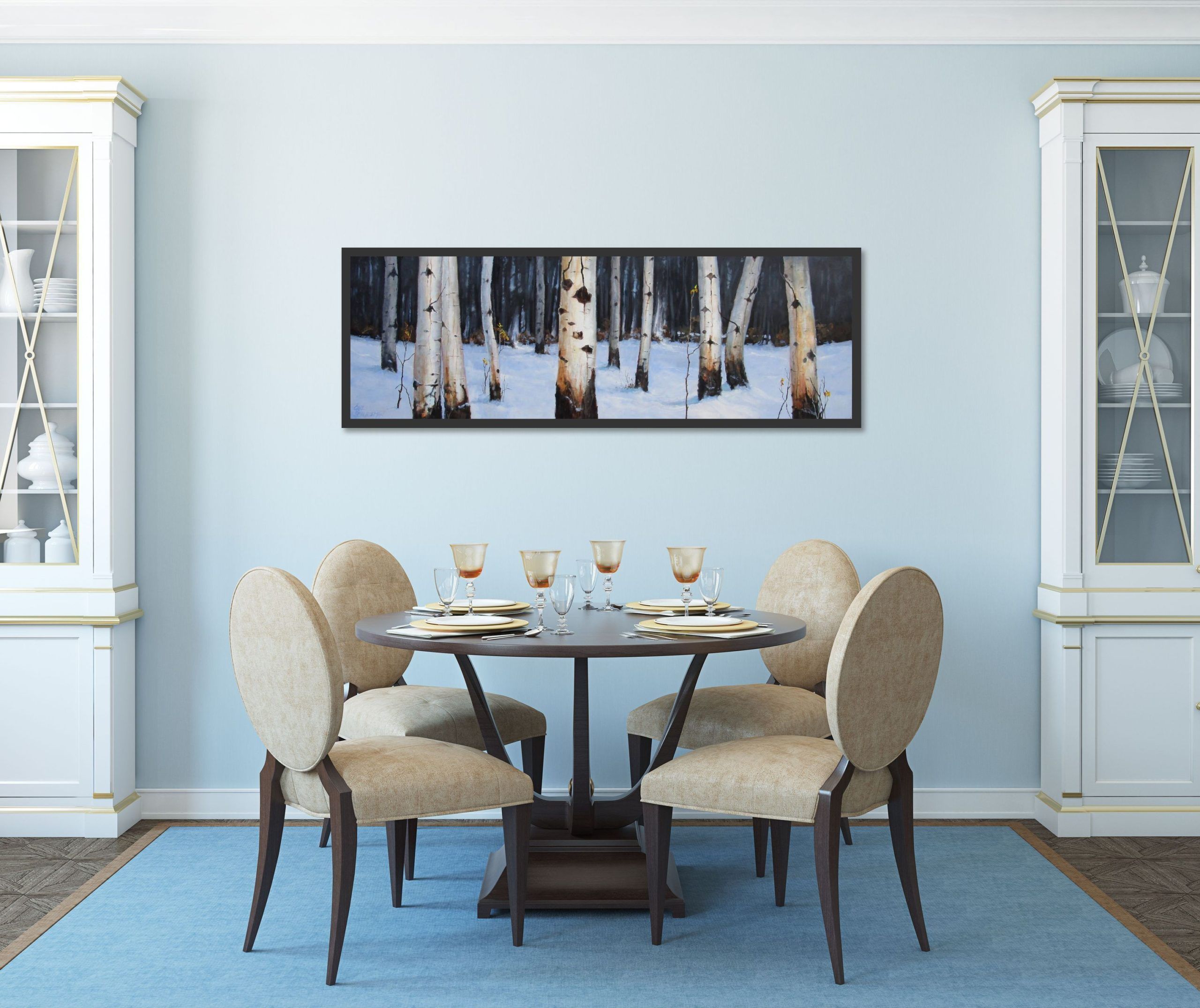
3. What does art cost?
The cost of artwork can vary considerably if comparing artists and artworks. Art pricing is determined by a multitude of factors, including if the artist is emerging or established, their reputation and record of sales, as well as the size, medium, and style of the artwork.
Another cost factor to consider is framing. Depending on the artwork, a proper frame can enhance the desired look of a piece, but it can also provide the necessary protection it needs to last for years to come. Galleries will often display artwork with a frame, which can usually be swapped out for something custom or purchased unframed.
Collecting art can certainly be an expensive hobby but you don’t need to win the lottery or break the bank to partake. In fact, it’s a good idea to have a budget in mind when starting your collection. But flexibility will work in your favour, just in case you fall in love with something slightly out of reach. If you’re working with a restricted budget, start by asking about emerging artists or look at smaller works by more established artists.
In the end, if the total cost of a piece feels overwhelming, most galleries, including Woodlands Gallery, offer interest-free payment plans to make your purchase more manageable. You can browse our collection of artists and artwork online by artist, style, subject, medium, price and size.
Lastly, don’t be afraid to ask more questions. Due diligence is key. Look to experienced gallerists, consultants and curators to help identify artists that fall within your budget and fit your lifestyle.
Remember to enjoy the process and take your time. You have a whole lifetime to build an art collection that speaks to who you are and what you value!
How to Photograph Your Art
Photographing your artwork is crucial to applying for representation in galleries, for artist residences and mentorships, and for your professional website and social media platforms. Providing viewers with an accurate representation of your artwork is not only good practice, but it showcases your talent and skill while exemplifying professionalism. If you put in the effort now, you will be able to trace your growth as an artist, stay organized, and witness exponential growth in your opportunities.
- Set the stage. Photograph your artwork against a plain white wall or clutter-free area near a natural light source, such as a big window. Alternatively, you can place your artwork outdoors on an overcast day.
- Keep it real. Your goal here is to create an image that mirrors a true likeness to your artwork. Use a tripod or the grid on your camera to square the lens with the face of your artwork, thus avoiding distortion and cropped out areas when you edit the photos later.
- Light is your friend. Bright, natural light is best because, unlike fluorescent lighting which often casts a yellowish hue, it showcases your artwork’s true colours. Be mindful that your light source does not cast a shadow across your artwork, especially if it is highly textured, and that your light source is diffused enough not to cause a glare.
- Understand your camera. Use the best camera possible when photographing your artwork and get to know its functions. Ideally you want to place yourself physically closer to your artwork rather than zooming in all the way with your lens.
- Less is better. When it comes to editing your photos, the less manipulation, the better. Look for accurate white balance and possibly nudge up the image contrast, but do so sparingly. You will then want to crop out the background completely (this is why step two is so important).
- Organize yourself. Label each image file with the artwork’s information, such as title, size, medium, and date. Do this right away and you will save yourself time and headaches in the future. If a client or gallery requests artwork information from you, it will all be in one place and you will not have to go digging in your studio!
Hand-Drawn Porcelain Pottery
Incredible pottery from local mother-daughter duo!
November 19 – Jan 23, 2020
MacDougall Studios, a collaborative mother and daughter duo creating wheel thrown and cast ceramic works. Each of their pieces is thrown or cast and then glazed or drawn upon. These unique pieces are developed out of a philosophy that the everyday items we use can be beautiful and bring a sense of well being to our personal spaces. Every one of their products is created collaboratively, from design to production.